Programs
Yakima Valley Audubon Society provides programs for the benefit of members and the public at the Yakima Area Arboretum. Program topics, dates and times are announced in the newsletter, Calliope Crier, and on our website.
Upcoming Program
Thursday, May 28, 2026, 7:00pm. In-person at Yakima Area Arboretum, 1401 Arboretum Drive, Yakima.
Megan Weeber
From Soil to Songbirds: Building Life in Your Yard
Healthy gardens start underground: in a living soil food web of bacteria, fungi, protozoa, and other organisms that feed plants and, ultimately, the insects and birds that visit our yards. In this talk, soil health consultant and microbe farmer Megan Weeber will share how simple changes—like using inoculum‑grade compost, disturbing soil less, and planting more natives—can transform compacted, chemical‑dependent yards into resilient habitat.
Drawing on her training with Dr. Elaine Ingham’s Soil Food Web School and in Holistic Management, Megan will connect soil micro‑biology to practical backyard outcomes: deeper roots, better water infiltration, fewer weeds, and more insects and birds. We’ll look at how to “read” your garden’s soil, choose plants and mulches that feed microbes, and think holistically about our home landscapes as small but powerful pieces of a larger ecosystem.
About Megan Weeber
Megan is a soil health consultant and microbe farmer based in Yakima, Washington, specializing in inoculum‑grade compost for home gardens and landscapes. Trained through Dr. Elaine Ingham’s Soil Food Web School, she focuses on restoring complete soil food webs to improve plant health, water cycling, and biodiversity.
She is also trained in Holistic Management and ecological land monitoring, and brings a whole‑systems mindset to helping homeowners turn conventional lawns and garden beds into thriving, bird‑friendly ecosystems. As a consultant and compost producer, Megan works at the intersection of soil biology and habitat creation to support healthier yards for people, pollinators, and birds.
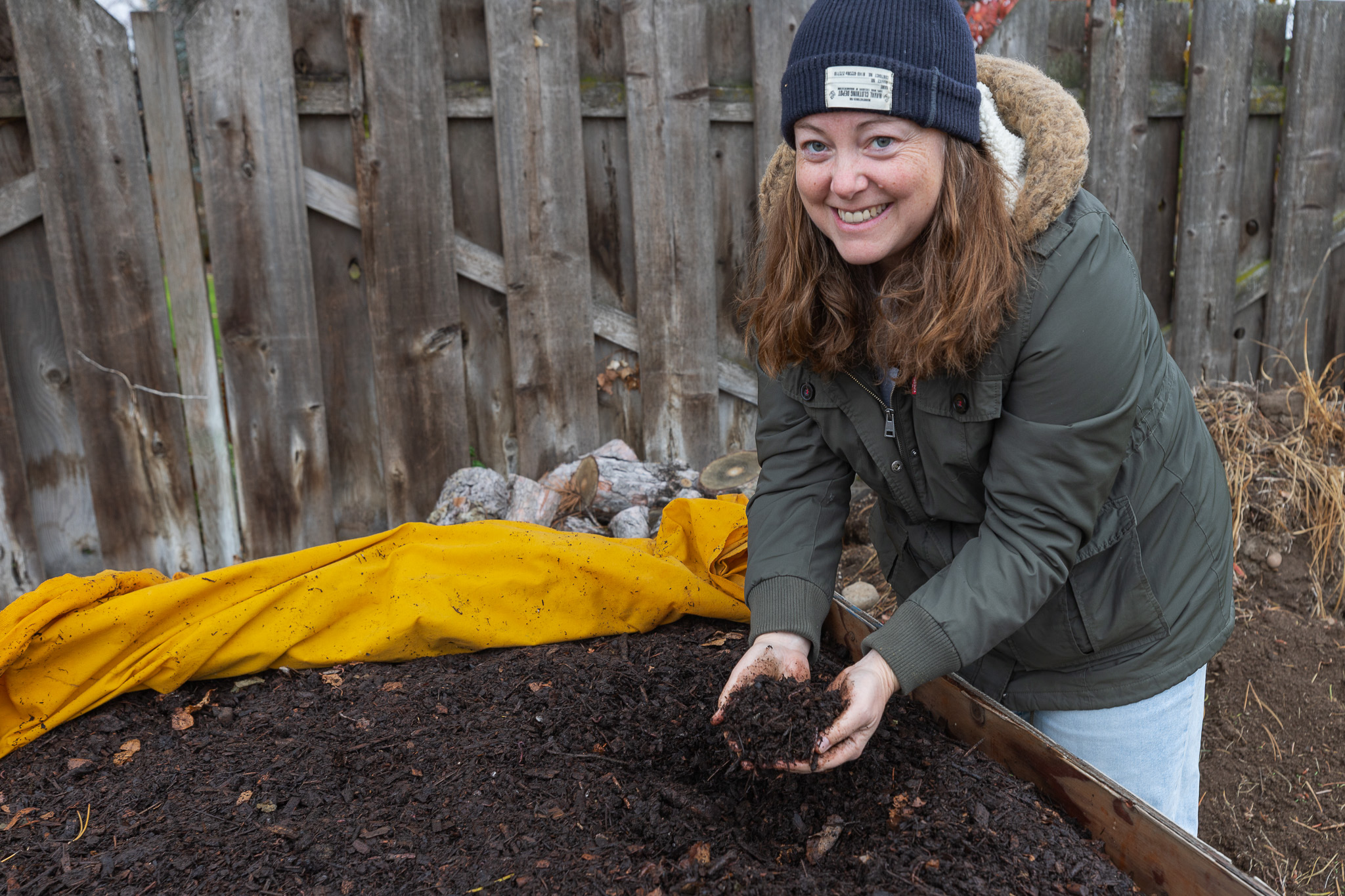
Megan Weeber with her hands in the dirt.
Past Program
Deb Essman
Tricks to Identifying and Understanding Yakima County Raptors
Yakima County is home to 18 species of diurnal raptors. Some are common year-round residents, some are reliable migrants, and a couple are rare but not impossible to find here! These birds of prey are fascinating, and each has its own special way of hunting, flying and nesting. This program shares several intriguing facts about each species along with field identification tips that will make distinguishing each species a lot easier. Cooper’s Hawk or Sharp-shinned Hawk? Golden Eagle or immature Bald Eagle? Learn some simple tips to tell them apart and gain new appreciation for all their amazing skills and beauty (yes, even the Turkey Vulture is beautiful). This will be interactive as members will be able to share their expertise and experiences.
About Deb Essman
Originally from California, Deb Essman majored in Natural Resources Management at Cal-Poly S.L.O. and worked as a naturalist at Morro Bay State Park while attending college. She has worn many hats working in the conservation world: as a raptor rehabilitator for almost a decade in California; an ornithology teacher at a community college; a veterinary technician and eagle release coordinator at Seattle’s Woodland Park; and a Game Warden for the Washington State Department of Fish & Wildlife (WDFW), including a couple years as a Detective in the Special Investigative Unit.
Deb’s volunteer activities reflect her continuing passion for wildlife education and conservation, including WDFW Hunter Education instructor for 20 years, birding field trip leader for several organizations (including over 20 years for the Kittitas Environmental Education Network’s annual “Get Intimate with the Shrub-steppe event) and teaching kids about wildlife tracking at Ellensburg School District’s 5th Grade Camp for over 30 years. Deb is president of the Kittitas County Field and Stream Club and coordinates many of their habitat restoration projects and other events. She serves on several committees for the WDFW and Department of Natural Resources.
Deb has lived in Kittitas County for 36 years, and diligently birds locally, with a Kittitas County Life List at 268 species. She has traveled extensively to bird and hunt. She cares deeply about getting kids into the outdoors and inspiring them to learn about our natural world.
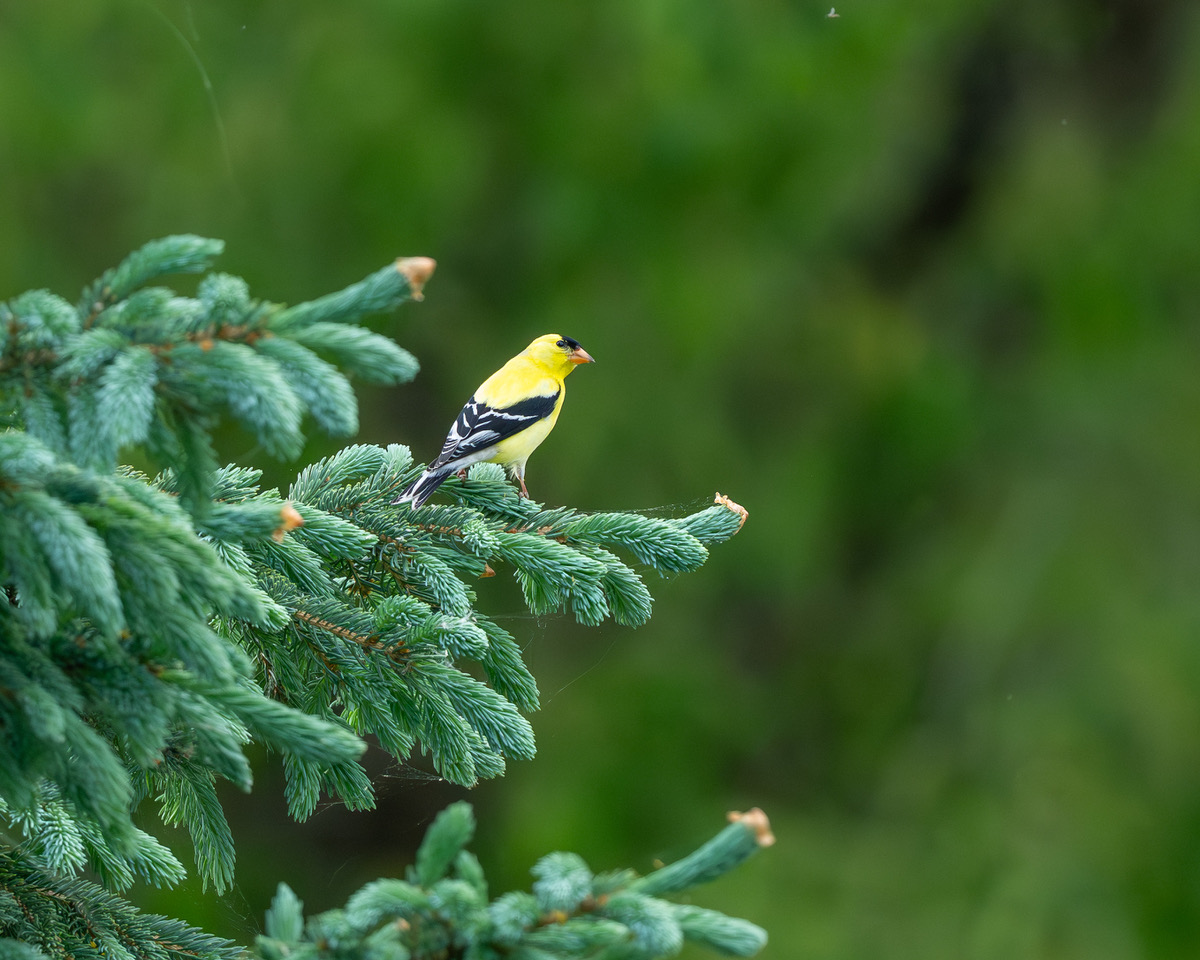
American Goldfinch, photo: Alex Kistler
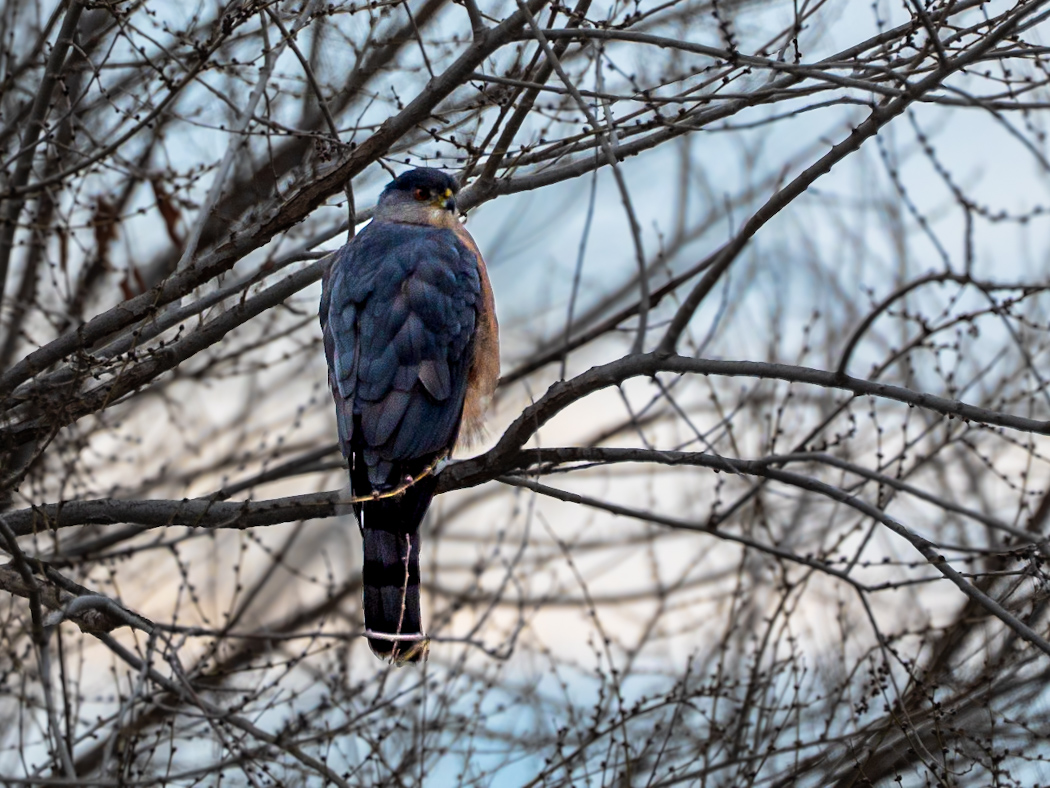
Cooper’s Hawk, photo: Fauna Carver
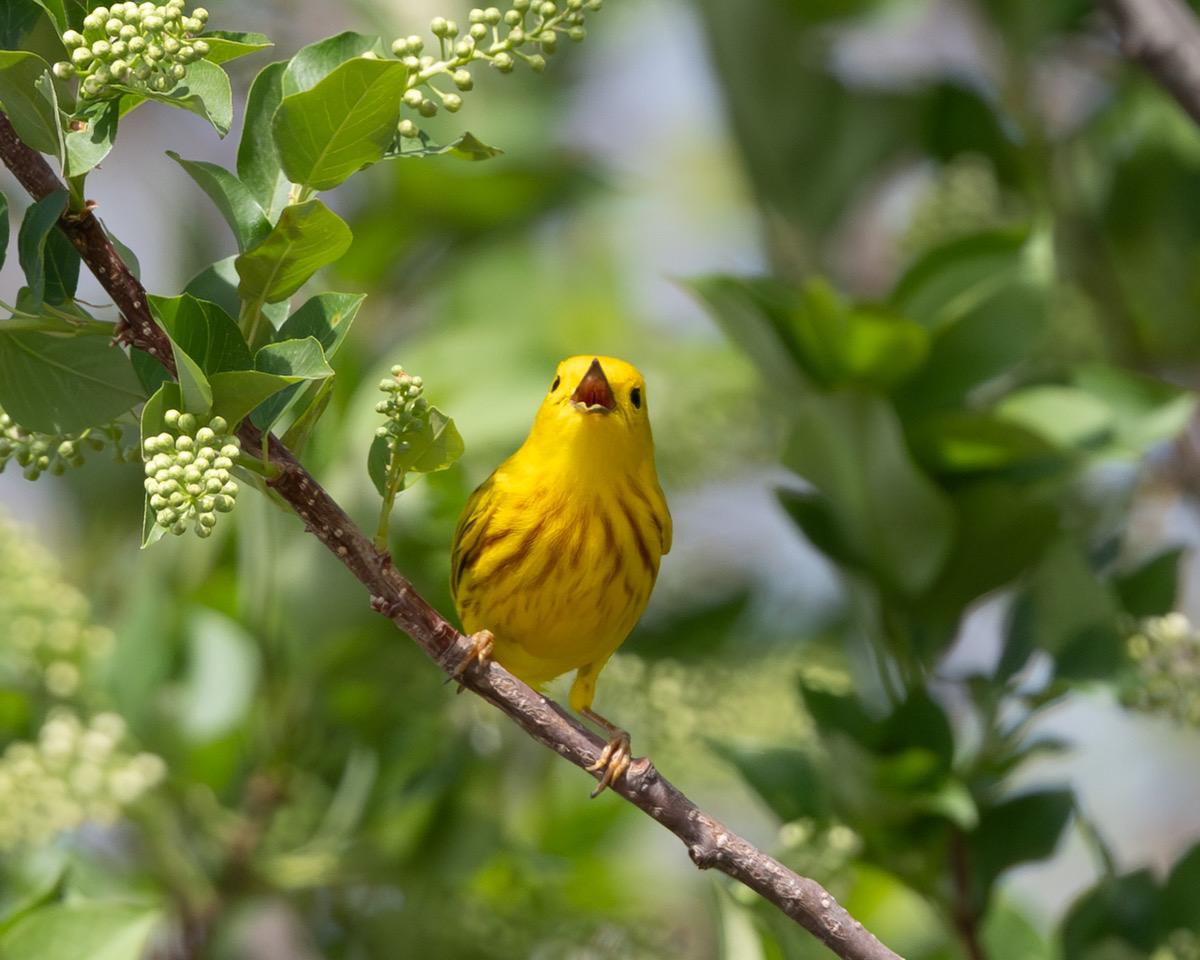
Yellow Warbler, photo: Alex Kistler
Recorded Programs
The following programs and videos can be found here: YVAS Facebook page. At the top of the Facebook page, click on “More.” A drop down menu will appear. Click on Videos.
2025
January 23, 2025 – Exploring Madagascar’s Otherwordly Wildlife – Jason Fedorra
2024
March 28, 2024 – Whose Track is That? Exploring for Wildlife Sign – Deborah K. Essman
April 25, 2024 – Tropical Wildlife and Conservation, Peru and Kenya – Eric Heisey
2023
October 26, 2023 –Bluebird Country – Karen Zook
August 24, 2023 – Travels in Africa – Deborah Essman
May 25 , 2023 – Nutcrackers and Whitebark Pine – Taza Schaming
March 23, 2023 – Wild America 2022 – Andy Stepniewski
February 23, 2023 – Woodpeckers 2 – Denny Granstrand
January 26, 2023 – Madagascar – Eric Heisey
2022
December 8, 2022 – Forests and People – Ken Bevis
October 27, 2022 – Tahoma’s Biggest Stories – Jeff Antonelis-Lapp
September 22, 2022 – White-headed Woodpeckers – 20 years of Research in WA – Jeff Kozma
August 25 ,2022 – The Secret Life of the Deserts of the Pacific NW – Mike Denny
May 26, 2022 – Yakima Valley Audubon’s Vredenburgh Bluebird Trail Marks its 40th Year! – Andy Stepniewski
March 24, 2022 – Bird’s Eye View – Gina Roberti
February 24, 2022 – Westport Seabirds – Bill Tweit
2021
December 2, 2021 – Australia – Dennis Paulson and Netta Smith
October 28, 2021 – Special Birds of Mount Rainier – Jeff Antonelis-Lapp
September 23, 2021 – Birding Guatemala’s Highlands – Jason Fidorra
August 26, 2021 – My Woodpecker Big Year – Denny Granstrand
May 27, 2021 – Shrubsteppe Conservation – YVAS
April 22, 2021 – Condors in the Greater Northwest – Jack Nesbit
March 25, 2021 – Our Backyard Bumbles: An Introduction to Washington’s Bumblebees – David Jennings
January 28, 2021 – Cottonwood – Rivers and Reproduction – Katrina Strahmann
2020
December 3, 2020 – Charles Bergman – Every Pengiuin in the World – A Quest to See Them All
October 29, 2020 – Crows: Clever, Curious, and Charismatic with Loma Pendergraft
September 24, 2020 – Biology and Conservation of Washington Butterfliest with Dr. David James
Zoom Program Viewing Tips
You can now watch our monthly program whenever it is convenient for you! Programs are available in real time (so you can ask questions) or as recordings from a link on our website.
To view the live presentation on your laptop, tablet, or smart phone, simply click on this link https://us02web.zoom.us/j/85751241932?pwd=K0lseGlvbng4WGlKN3NaeEdaL2VTQT09 about five minutes for before the program is scheduled to begin (6:55 PM). The host will let you into the meeting shortly. If this is your first Zoom meeting, you may be asked to download the Zoom viewing app, (this does not require you to have your own Zoom account). Be sure to answer ‘yes’ to the questions about joining with video and audio so you can see and hear the presentation. For your personal privacy, your own device’s camera is automatically in the off mode when you join the meeting—please mute your microphone.
Please hold questions until the end of the presentation. You may unmute and turn on your video or use the chat function and the host will read the question for you. For Zoom issues during the meeting, please use the Chat button to alert the host.
Links to the recorded programs will be provided on the website a few days following the program.
Yakima Audubon is committed to bringing you information about our natural world. Please let us know at info@yakimaaudubon.org what you think and what we can do to improve this experience for you.